July 8, 2026
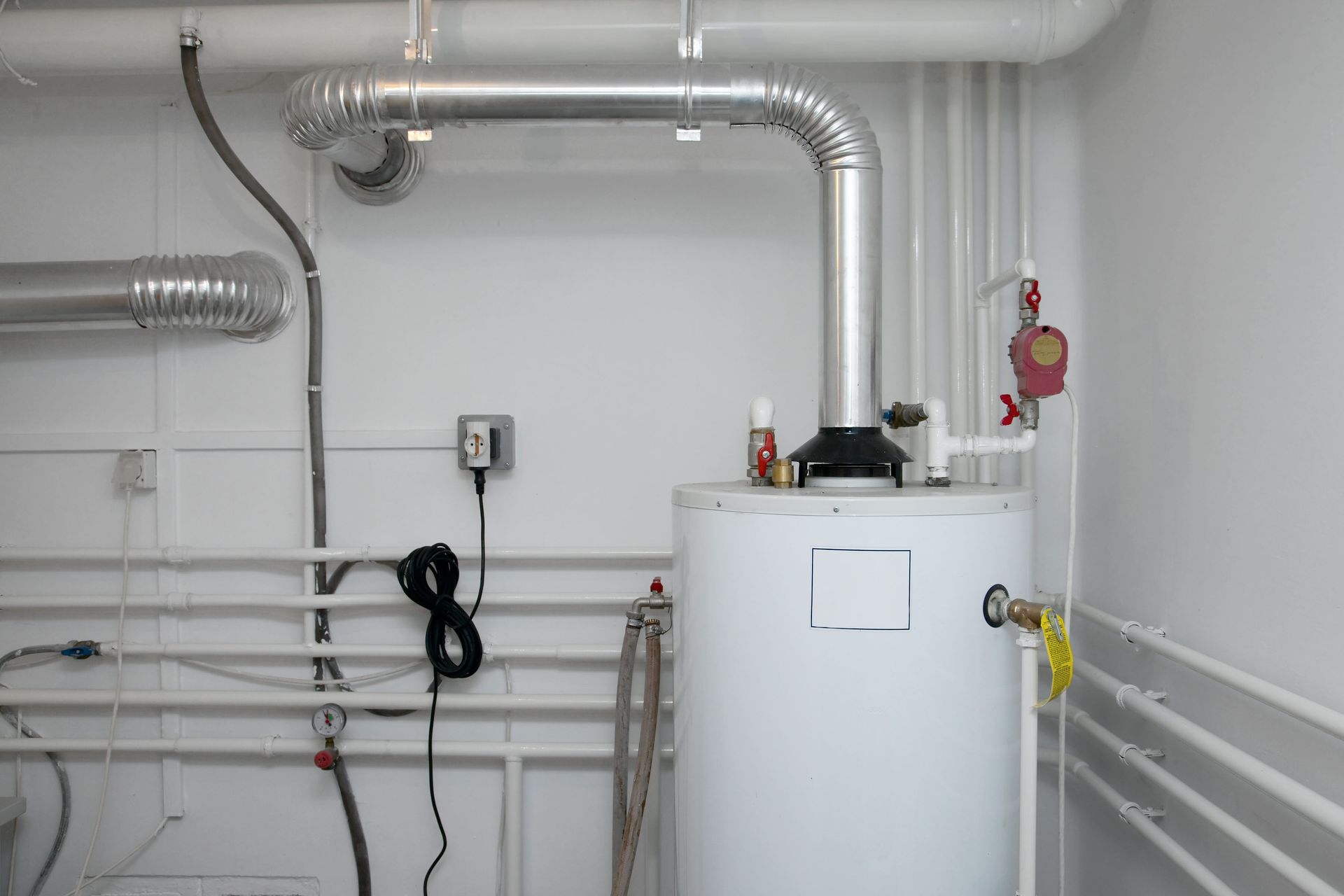
Understanding exactly when it is the right time to replace your residential water heater can save you from unexpected cold showers, severe monthly energy inefficiencies, and potentially devastating water damage throughout your property. While many minor mechanical fixes or routine maintenance tasks can temporarily prolong your system's operational lifespan, there inevitably comes a critical point where professional, licensed plumbers will recommend a complete system upgrade rather than throwing more money into temporary fixes that only mask larger issues. Water heaters are complex, high-pressure appliances that operate continuously in the background of your home, meaning that internal wear and tear is constant, cumulative, and often entirely invisible until a major breakdown occurs. This comprehensive article explores the most critical warning signs that strongly suggest it's time to invest in a brand-new water heater for your property. By offering detailed insights into performance degradation, hidden structural liabilities, rising operational costs, and modern safety concerns that necessitate a timely upgrade, this guide will help you make an informed, proactive decision before an expensive emergency situation impacts your household. It is always better to be proactive rather than reactive when dealing with major home appliances that handle large volumes of water daily.
1. Age of the Water Heater and Lifespan Limitations
The average lifespan of a traditional tank-style water heater can vary depending heavily on the quality of your local water supply, the frequency of professional maintenance, and the overall volume of daily household use. Electric water heaters sometimes last slightly longer than gas models due to differences in heating mechanisms, but they are equally dependent on regular care and environmental conditions inside your utility room. Operating an outdated unit well past its prime poses significant structural risks, including catastrophic tank bursts and a sharp, costly decline in daily heating efficiency that directly inflates your utility bills. As a water heater ages, its internal components naturally degrade, the metal tank expands and contracts thousands of times as it heats and cools, and the internal protective features eventually stop working entirely. This means that even if the tank isn't leaking yet, it could be operating at a fraction of its original efficiency, wasting money every single month. Experienced local plumbers can perform regular structural assessments to help manage these inherent age-related risks effectively, ensuring that you plan for a smooth, budget-friendly replacement long before an unexpected plumbing emergency occurs in the middle of the night and leaves you without hot water.
2. Unusual Noises and Severe Sediment Accumulation
Banging, popping, cracking, or loud rumbling sounds coming from deep within your water heater tank usually point to a heavy, hardened accumulation of mineral sediment at the bottom of the unit. Over years of constant operation, hard water naturally deposits calcium, magnesium, and other minerals that settle and bake onto the floor of the tank, creating a thick, calcified barrier between the heating source and the water. As water becomes trapped beneath this crusty mineral layer and begins to boil, it creates pressurized steam pockets that erupt violently, damaging the internal protective glass lining and forcing the heating elements to work twice as hard to reach the desired temperature. This extra thermal strain significantly accelerates the structural deterioration of the tank steel and drastically reduces the amount of hot water the tank can actually hold, leading to shorter showers for your family. Certified professional plumbers can accurately diagnose these unusual sounds to determine if a simple system flush will resolve the loud noises, or if the structural integrity of the steel tank has been permanently and dangerously compromised by long-term overheating and localized stress fracturing.
3. Inconsistent Water Temperatures and Element Failures
Fluctuating water temperatures—such as getting a brief burst of hot water followed immediately by a frustratingly cold stream—are often a primary sign of failing heating elements or malfunctioning internal thermostats. When mineral deposits build up heavily on electric elements or gas burners, they completely insulate the heat source from the surrounding water, creating highly unpredictable and erratic temperatures throughout your home. This means your system must run for much longer periods just to deliver a standard warm shower, which drives up your monthly utility bills and places unnecessary wear on the entire appliance. Furthermore, a faulty thermostat might misread the actual temperature, either failing to heat the water sufficiently or overheating it to dangerous, scalding levels. If adjusting your thermostat settings and trying minor fixes fail to bring back a steady, reliable stream of hot water for your family, consulting licensed plumbers can help you determine whether the unit simply needs component repairs or if a complete system replacement is the most cost-effective path forward for your household over the long run.
4. Visible Leaks and Moisture Accumulation Around the Tank Base
Moisture, dampness, or standing water gathering around the base of your water heater indicates a serious structural problem, such as loose fittings, faulty temperature valves, or internal tank corrosion. Ignoring these seemingly minor pooling spots can quickly lead to extensive property damage, structural rot, and dangerous mold growth in your floors and walls that is incredibly expensive to remediate. Water damage from a failing water heater can weaken the subflooring and ruin adjacent drywall before you even realize the full extent of the leak. According to the U.S. Environmental Protection Agency, roughly 10% of homes across the country have leaks that waste 90 gallons or more per day. This shocking statistic highlights why ignoring even a tiny drip can lead to massive resource waste and high water bills over time. To prevent this severe environmental waste and protect your home from sudden, catastrophic flooding, reputable professional plumbers should look at any visible tank moisture right away to diagnose the root cause and advise on an immediate solution before the entire tank fails.
5. Discolored, Muddy, or Rusty Water From Hot Faucets
If your hot water comes out looking rusty, brown, or muddy, it often indicates active internal corrosion within the water heater tank itself. Most modern water heaters feature a sacrificial anode rod designed to attract corrosive elements and protect the steel liner, but once this rod completely degrades, the water begins eating away at the actual steel tank walls, which inevitably leads to total failure and leaks. This can also lead to a metallic taste or unpleasant odor in your water supply. When persistent discoloration occurs exclusively when you turn on the hot water, calling in professional plumbers will help isolate whether the rust is coming from your aging household plumbing pipes or if your water heater has reached the end of its life and needs an immediate upgrade to ensure your family has clean, safe water for bathing, cleaning, and cooking.
Recognizing the early warning signs of water heater failure—such as advanced age, persistent internal noises, erratic temperatures, pooling water, and active rust—can protect your household from costly structural property damage and sudden ice-cold surprises. Relying on professional, licensed plumbers to evaluate your system guarantees that you select the most energy-efficient and appropriately sized model tailored specifically to your family's daily needs and long-term budget. By upgrading to a modern system, you will enjoy lower energy bills, consistent temperatures, and complete peace of mind knowing your home is safe from water-related disasters. Taking action today avoids the stress and mess of a sudden breakdown tomorrow. Don't wait for a hidden leak to turn into a catastrophic plumbing disaster! Contact the professional team at ASAP Plumbing today to schedule your comprehensive water heater inspection or replacement and get your household's hot water back on track immediately.