June 8, 2026
In every home, drains play a critical role in managing wastewater, making the maintenance of these systems a top priority. Regular upkeep ensures the longevity and efficiency of the plumbing system. This article explores the importance of drain cleaners as an essential tool in routine home maintenance. Effective drain maintenance not only prevents inconvenience but also helps avoid costly repairs. By employing the right cleaning techniques and tools, homeowners can keep their plumbing systems performing optimally and hygienically.
Types of Drain Cleaners
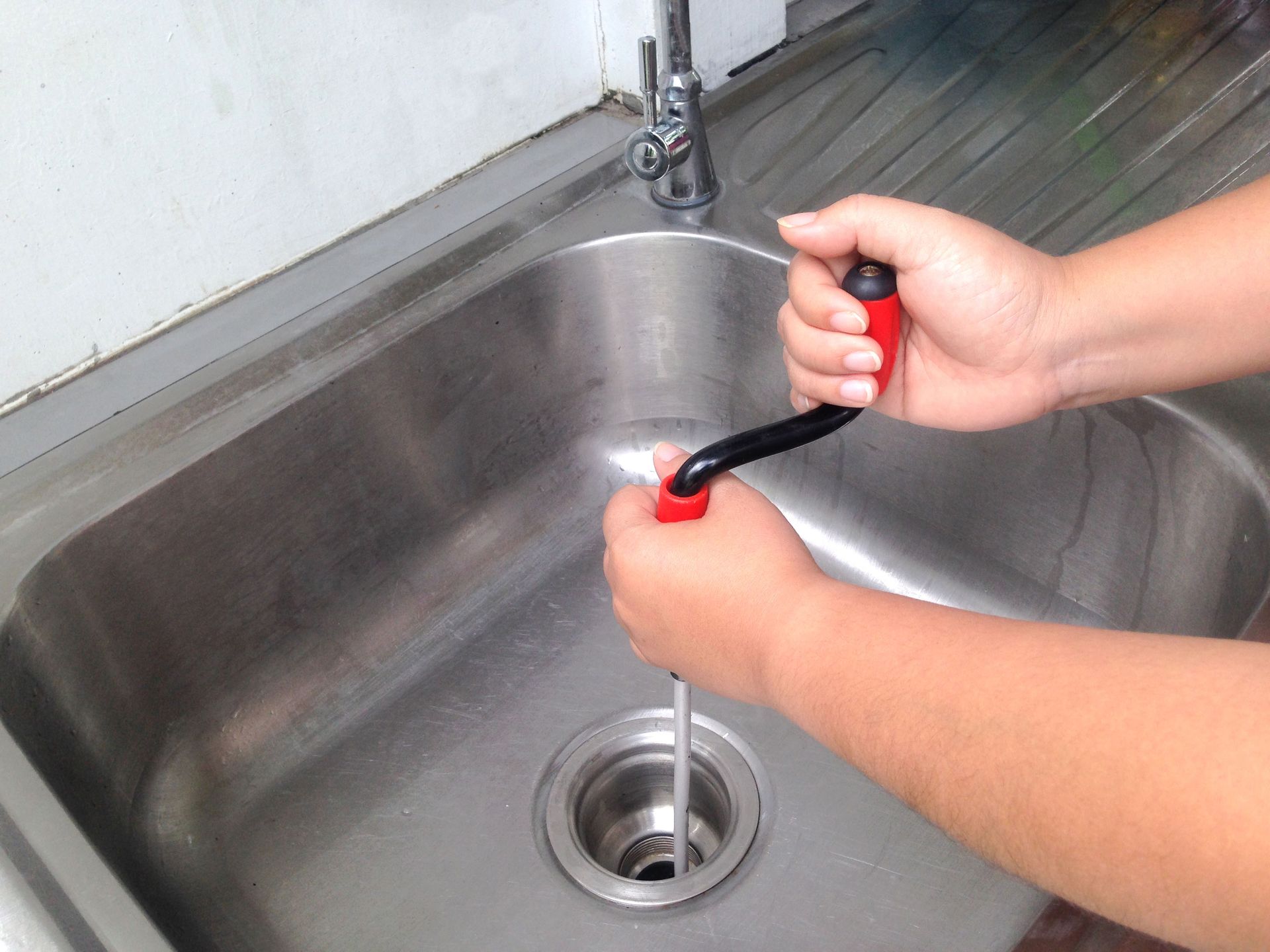
Drain cleaners are primarily classified into three types: chemical, enzymatic, and mechanical. Chemical cleaners are often composed of harsh acids or alkalis that react with and dissolve obstructions quickly. Enzymatic cleaners, on the other hand, use bacteria or enzymes to break down organic material, offering a more environmentally friendly solution. Mechanical cleaners include tools such as plungers, drain snakes, and augers, which physically remove blockages from pipes. Selecting the appropriate type of cleaner depends on the severity and nature of the blockage, as well as environmental considerations.
Choosing between cleaners requires an understanding of their advantages and disadvantages. Chemical cleaners, while effective, can damage pipes if used too frequently due to the harsh nature of their ingredients. Enzymatic cleaners work more slowly but promote a safer environment both inside the home and outside. Mechanical solutions, like snakes and augers, target obstructions directly and are a preferred choice for deeper clogs. Ultimately, assessing the causative factors of clogs determines the suitable cleaning method.
Homeowners aiming for sustainable solutions often lean towards mechanical and enzymatic cleaners. Since they contain biodegradable ingredients, enzymatic cleaners minimize the environmental impact while maintaining clean pipes. Similarly, mechanical means do not contribute to chemical waste and preserve pipe integrity. For more persistent or tough clogs, chemical cleaners remain an effective last resort. A correctly installed septic tank is highly effective at reducing waste, according to the United States Environmental Protection Agency, eliminating roughly 50% of biochemical oxygen demand, 75% of suspended solids, and 90% of grease from the effluent, showing how even chemical solutions play a significant role in waste management.
How Drain Cleaners Work
Drain cleaners operate through various mechanisms depending on their type. Chemical cleaners react with clogs, producing heat, gradually breaking down obstructions like hair and grease. This reaction facilitates the dissolution and flushing away of blockages, although care must be taken to prevent pipe damage. Enzymatic cleaners leverage natural decomposition processes, where enzymes digest organic material, thus unblocking drains over time. Mechanical tools enable the direct manipulation and removal of clogs, making them an effective tool for deeper or more stubborn blockages.
Chemical cleaners often work by a process of oxidation or hydrolysis, transforming solid obstructions into liquid form that can be easily flushed away. While they are effective in quick-action scenarios, safety measures, such as wearing gloves and ensuring ventilation, are crucial to avoid damage caused by their caustic components. In contrast, enzymatic cleaners activate harmless microorganisms that gradually devour debris, clearing pipes naturally. This method is less aggressive, making it safe for frequent use and optimal for environmentally-conscious homeowners. Mechanical tools rely on strategically designed ends, like hooks or spirals, that catch and pull out the material causing the blockage, offering a powerful and tactile solution.
Using mechanical cleaners can prevent the risk of chemical exposure and damage. Conversely, enzymatic methods are more viable for regular maintenance due to their non-invasive approach. Chemical cleaners are typically reserved for instances where quicker results are necessary but must be used judiciously to avoid potential pipe or septic system damage. Combining these methods within a strategic maintenance schedule ensures the ongoing functionality of drainage systems. Regardless of the method used, understanding how each cleaner functions enhances its effectiveness and minimizes associated risks.
Eco-Friendly Drain Cleaning Options
As environmental awareness escalates, eco-friendly drain cleaning options gain popularity. These alternatives emphasize the use of non-toxic, biodegradable ingredients that preserve water quality and safeguard the ecosystem. Enzymatic cleaners, along with household items like vinegar, lemon juice, or baking soda, are efficient at maintaining clean drains without the adverse effects of traditional chemical cleaners. They decompose organic matter naturally, making them suitable for ongoing use in environments prioritizing sustainability. Additionally, these solutions do not contribute to the harmful chemical residues that can affect nearby soil and water.
Eco-friendly drain cleaners reduce household reliance on chemical-based products and foster a healthier living environment. Products containing plant-based surfactants are particularly effective in breaking down oils and organic build-up. Beyond enzymatic formulations, homeowners increasingly resort to mechanical tools as eco-conscious solutions owing to their zero waste and zero chemical emissions. These practices complement sustainable living habits while ensuring plumbing remains efficiently functioning. Employing regular preventive cleaning schedules with eco-friendly products reduces the frequency of clog occurrences.
Adopting eco-friendly practices in drain cleaning aligns with broader environmental goals and homeowner responsibility towards sustainable living. These practices reduce potential pollutants entering water systems, aligning with values of ecological stewardship. The cumulative benefits include preserved water quality, reduced chemical waste, and a lessened environmental footprint. As such, homeowners become active participants in cultivating sustainable household systems while maintaining effective plumbing. Eco-friendly drain cleaning proves not only essential for personal health but also promotes community and environmental well-being.
Safety Considerations
When using drain cleaners, observing safety measures is pivotal because the chemicals in these products can pose serious health risks. Professional protective equipment such as gloves and goggles is always recommended for skin and eye protection. Manufacturers' instructions and safety warnings must be followed diligently to mitigate potential harm. Additionally, safe storage away from children and pets must be prioritized to avoid accidental ingestion or exposure. Moreover, ensuring the space is well-ventilated when using chemical cleaners reduces the inhalation of potentially harmful fumes.
The transition to eco-friendly or mechanical cleaning methods can alleviate many safety concerns typically associated with chemical cleaners. Despite their safety benefits, it is crucial to use eco-friendly cleaners as prescribed to prevent unwarranted damage to pipes. Mechanical tools require knowledge of proper technique to avoid pipe or personal injury during use. Alongside safe use, proper disposal practices for drain cleaner residues are paramount to prevent environmental pollution. Homeowners should adhere to proper waste management protocols to avoid contamination risk associated with improper disposal of chemical products.
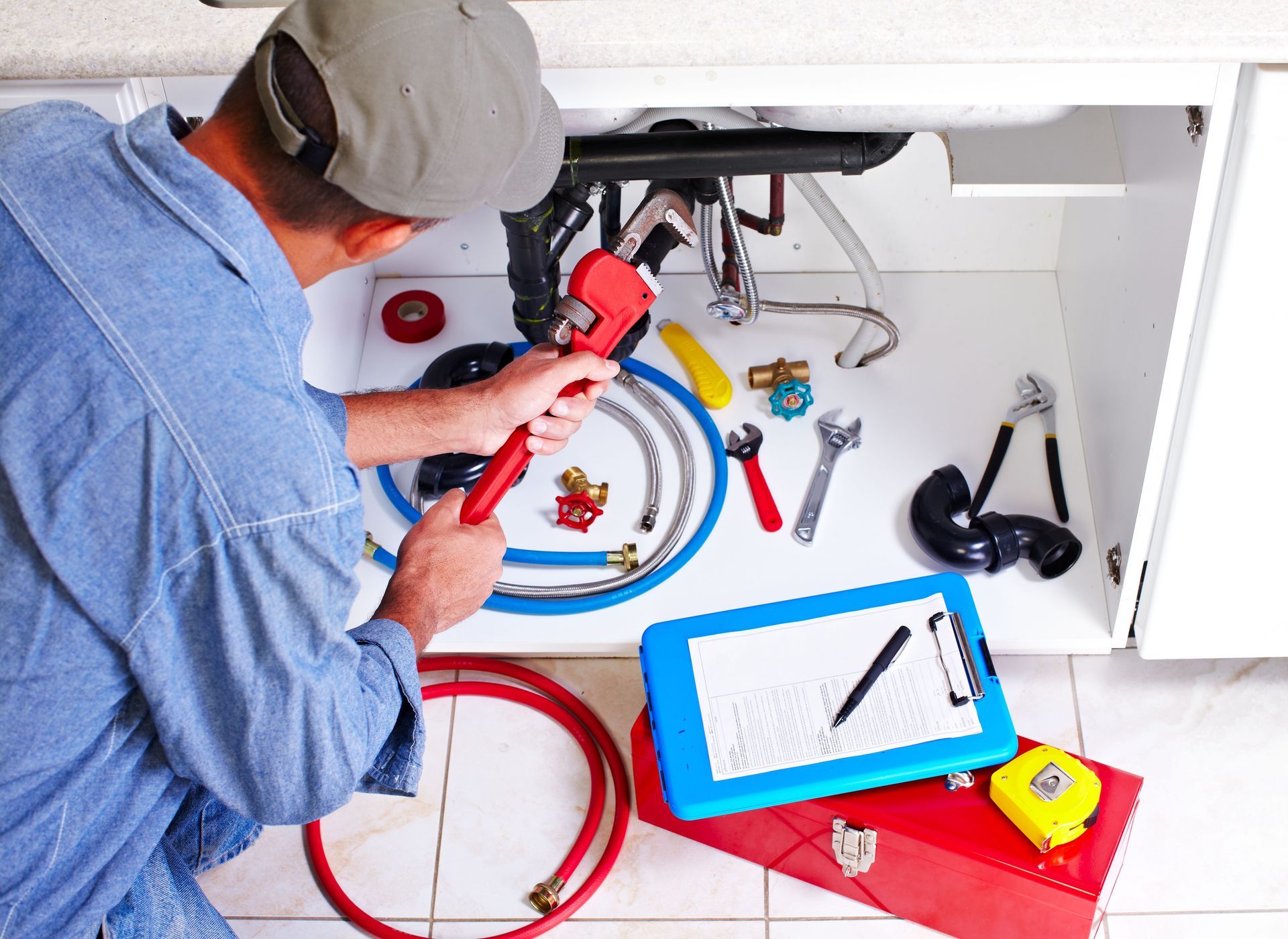
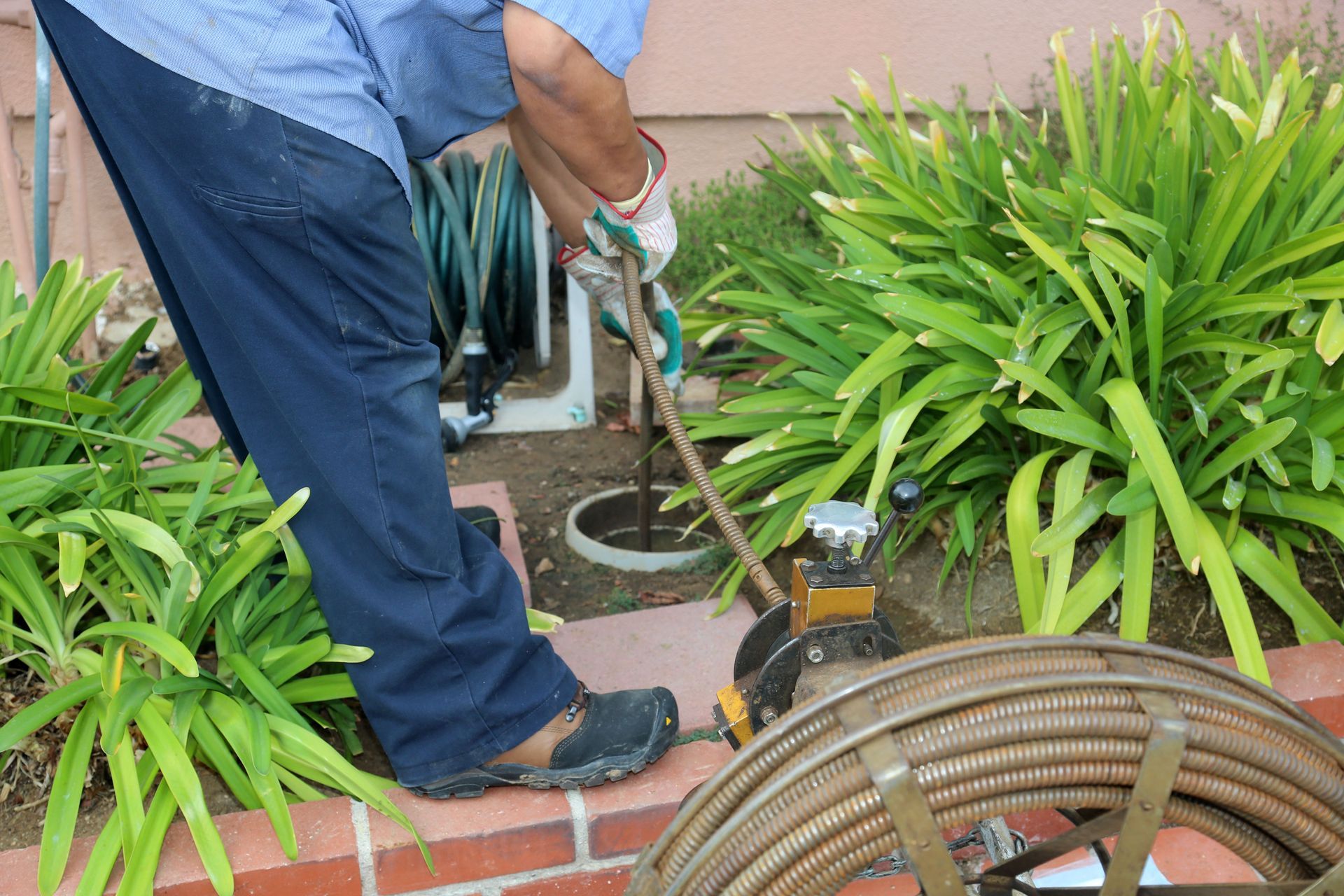
While ensuring safety during drain cleaning, it is important to recognize when professional intervention is necessary. Symptoms like persistent clogs despite multiple treatments may signal underlying plumbing issues beyond regular cleaning capabilities. Continuous chemical use hoping for resolution may inadvertently damage plumbing infrastructure. Professional plumbers can mitigate risks associated with complex blockages using advanced tools and techniques. Personal safety and pipe integrity should dictate frequency and choice of cleaning methods, ensuring long-term effectiveness without compromising safety.
Maintaining a functional plumbing system requires a thoughtful balance of drain-cleaning methods. While chemical cleaners offer a rapid, potent remedy for severe clogs, their potential to damage pipes and the environment necessitates cautious use. Conversely, enzymatic and mechanical options provide safer, highly effective, and eco-friendly alternatives suited for routine maintenance and long-term sustainability. Ultimately, prioritizing safety, understanding how each tool operates, and implementing regular preventive care are essential to preserving pipe integrity. When persistent blockages defy standard methods, seeking professional plumbing intervention helps ensure the ongoing health and efficiency of your home's drainage system. For help from professional drain cleaners, contact ASAP Plumbing today.