February 8, 2026
Understanding the impact of seasonal weather changes on your home's water system is essential for maintaining its efficiency, preventing costly repairs, and extending the overall life of your plumbing. Each season presents unique challenges: winter brings the risk of freezing pipes and burst fittings, spring introduces thaw-related leaks and increased rainfall, summer can strain your system with high water demand and hard water buildup, and fall requires preparation for the upcoming cold months. These seasonal shifts place significant stress on pipes, fixtures, water heaters, and other appliances, often revealing hidden vulnerabilities, especially in older plumbing systems.
According to the U.S. Environmental Protection Agency, 10% of homes have leaks that waste 90 gallons or more per day. This demonstrates how even minor issues, if left unaddressed during seasonal transitions, can quickly escalate into major problems, causing water damage, higher utility bills, and unnecessary strain on household systems. By familiarizing yourself with the specific risks that each season poses and taking targeted preventive actions, you not only protect your home but also ensure the safety and comfort of your family. Seasonal preparation, combined with professional oversight, is the key to maintaining a reliable, efficient, and long-lasting water system.
Winter: Preventing Frozen Pipes and Bursts
Winter introduces one of the most serious threats to a home's plumbing: freezing temperatures. When water freezes inside pipes, it expands, creating pressure that can cause pipes to crack or burst. Pipes in unheated areas—such as basements, attics, garages, and crawl spaces—are especially vulnerable. The result can be not only costly water damage but also disruption to daily life, increased utility bills, and mold growth from hidden leaks.
Preventive measures are critical. Insulating exposed pipes, sealing drafts, and ensuring indoor heat reaches vulnerable areas can dramatically reduce risks. Leaving faucets slightly open during extreme cold allows water to flow, relieving pressure buildup and helping prevent freezes. Heating cables or tapes offer additional protection for pipes in challenging locations, while smart home technologies can monitor temperatures and alert homeowners to potential issues before they become emergencies.
Ignoring frozen pipes can have severe consequences. Even minor freezes left unaddressed can rupture, causing water loss, structural damage, and expensive repairs. Regular winter inspections, guided by a local plumber, allow homeowners to identify weak points, reinforce insulation, and make minor adjustments that prevent larger problems. Taking proactive steps during winter ensures your home's water system remains functional and resilient throughout the season.
Spring: Recovery, Inspections, and Rainwater Management
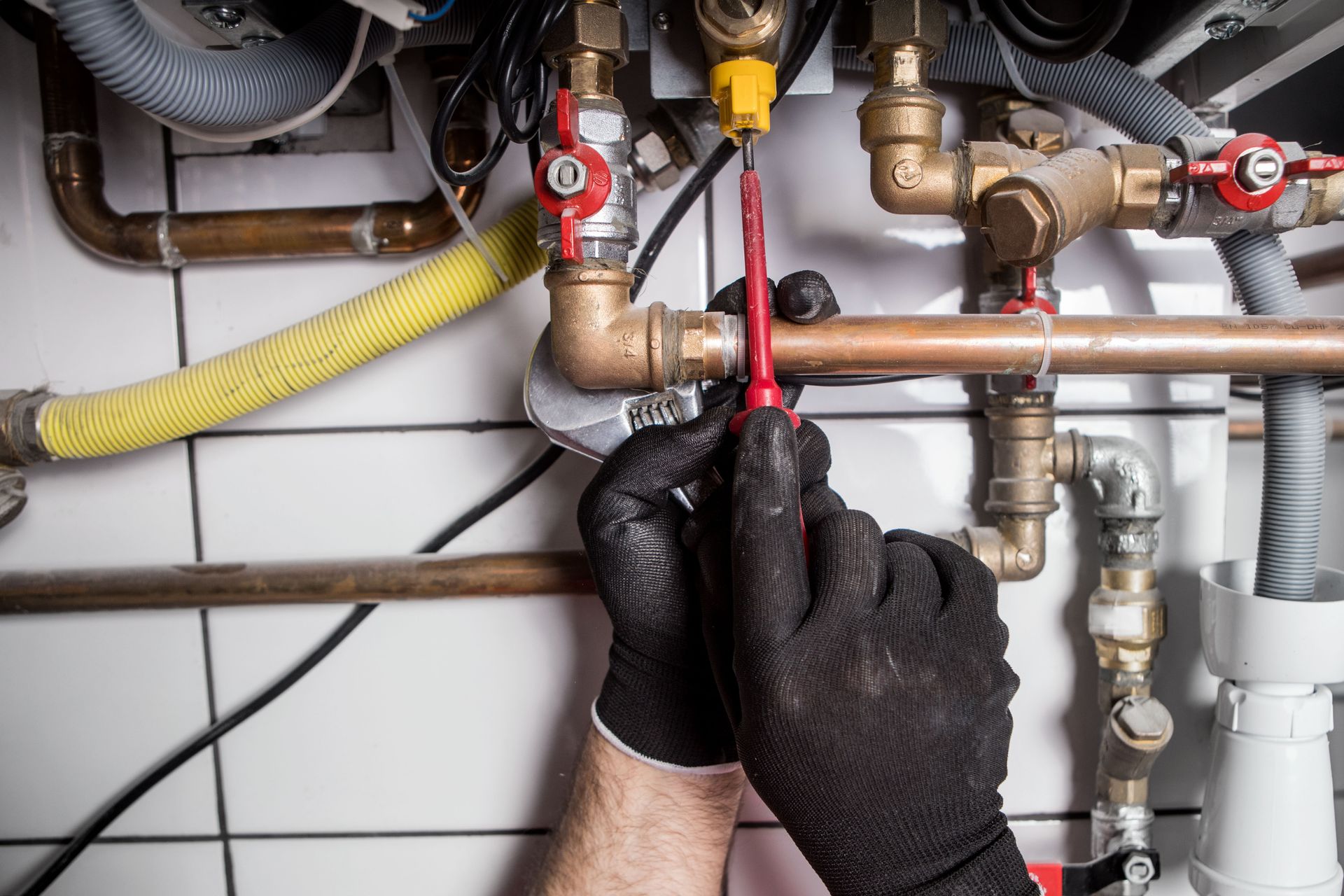
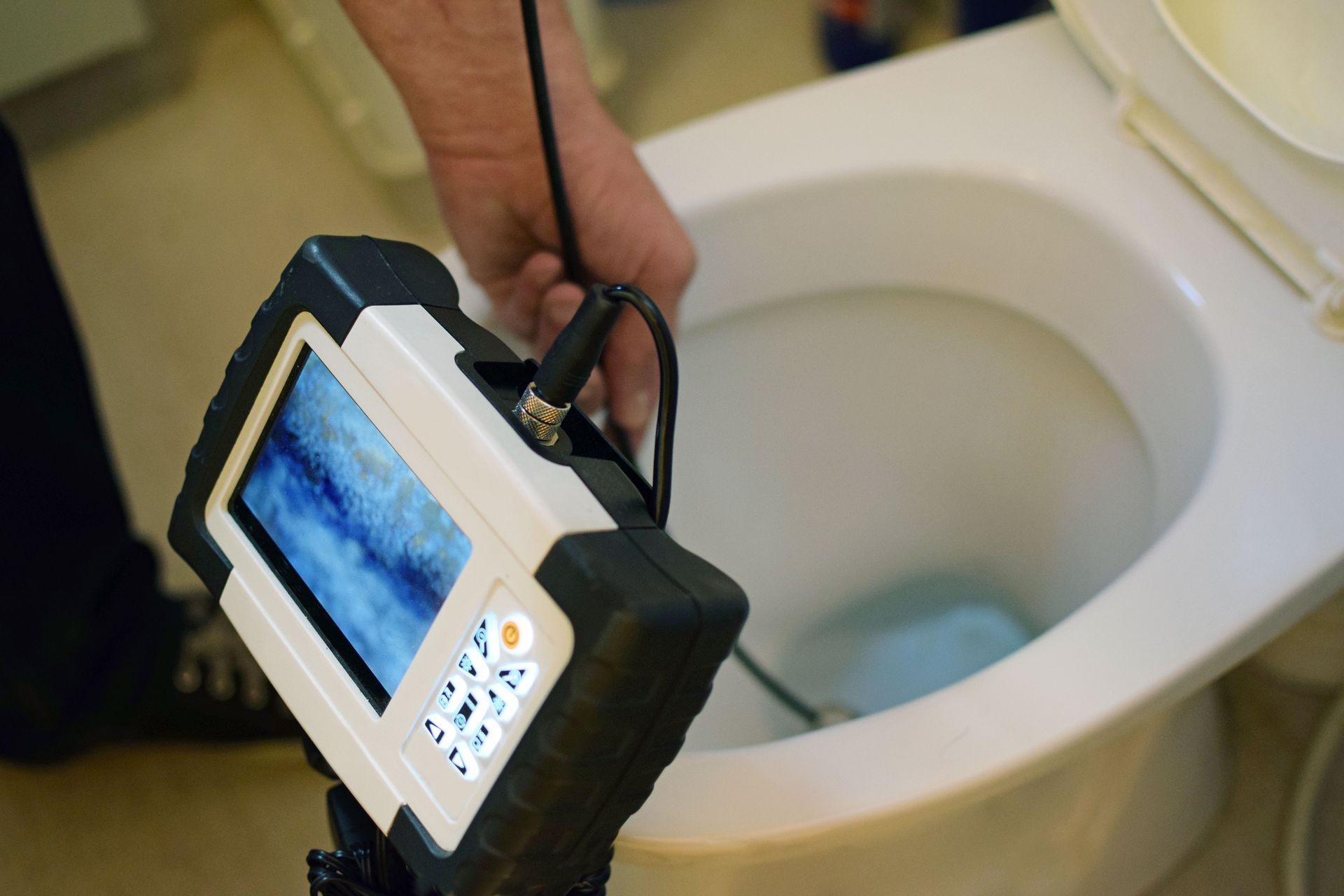
Spring is a transitional season that requires careful attention to your home's plumbing. Thawing pipes from winter can reveal previously hidden leaks, weakened joints, or other vulnerabilities. Spring provides an ideal opportunity to inspect and repair these issues before the high-demand summer months. Routine inspections should include water flow checks, pressure testing, and a visual examination of all pipes, faucets, and drainage systems. Hiring a local plumber for a professional assessment can help detect subtle problems that may otherwise go unnoticed.
Rainfall in spring introduces another layer of stress. Heavy rains can overload municipal sewer systems, increasing the risk of backflow into homes. Installing backflow prevention devices or diverting rainwater through gutters and rain barrels helps mitigate these risks. Staying informed about local infrastructure updates and seasonal risks ensures you are prepared for larger storm events and unexpected surges in water demand.
Spring cleaning for plumbing extends beyond drains and faucets. Checking for sediment buildup, clearing gutters, and examining the integrity of foundations where pipes pass can prevent future disruptions. Ground shifts from thawing frost may destabilize buried pipes, especially in older homes. Wireless monitoring systems can track subtle movements, alerting homeowners to early warning signs. By addressing these seasonal challenges proactively, you protect your home's plumbing, conserve water, and maintain efficient operation.
Summer: Managing Hard Water and High Demand
As temperatures rise, plumbing systems face unique challenges related to hard water and increased water usage. Hard water, rich in minerals like calcium and magnesium, can lead to scale buildup inside pipes, faucets, and appliances. Over time, this reduces water flow, decreases heater efficiency, and increases energy costs. For households with extreme mineral content, installing a water softening system or using descaling treatments can preserve functionality and prolong the life of appliances.
High water demand during summer—whether from irrigation, pool filling, or everyday household use—further stresses plumbing infrastructure. Older pipes may experience higher pressure than designed for, creating small leaks that grow over time. Regular maintenance and inspections by a local plumber ensure that pipes, valves, and fixtures can handle increased usage without compromising performance. Water-efficient fixtures, leak detectors, and smart irrigation systems also help reduce strain, conserving resources while maintaining convenience.
Neglecting summer maintenance can result in costly repairs. Scale buildup or unnoticed leaks not only increase water bills but also reduce appliance lifespan. Engaging a professional early allows homeowners to identify potential stress points and implement solutions before problems escalate. A local plumber can recommend appropriate treatments and upgrades, from softening systems to advanced monitoring devices, ensuring your home's plumbing remains resilient through peak usage months.
Fall: Preparing for Winter and Seasonal Shifts
Autumn signals a transition from hot summer weather to freezing winter temperatures, making it a critical season for preventative plumbing measures. Cooling temperatures can affect water pressure, expose existing leaks, and stress older pipes. Fall is the perfect time to prepare your home for winter, inspecting insulation, sealing drafts, and evaluating pipe vulnerability. Routine maintenance now can prevent emergency situations when the first freeze hits.
Fall is also an important season for water heater care. Temperature fluctuations and increased household use during holidays can strain your system. Flushing water heaters, inspecting connections, and checking for sediment buildup help maintain efficiency and extend service life. Engaging a local plumber ensures these inspections are thorough and any repairs are conducted promptly. Proactive preparation in the fall reduces the likelihood of winter-related emergencies and safeguards your home's water infrastructure.
In addition to inspections, homeowners should consider installing pressure regulators or upgrading outdated plumbing to accommodate seasonal changes. These measures help manage water flow, prevent leaks, and protect sensitive fixtures from stress caused by freezing or thawing cycles. Fall is the season to lay the groundwork for a smooth transition into winter, minimizing risk and enhancing the long-term durability of your water system.
Seasonal changes create predictable yet varied stress on your home's water system, from frozen pipes in winter to hard water challenges in summer. Each season demands specific preventative measures, inspections, and sometimes professional intervention to protect both plumbing and the home. Regular assessments by a local plumber, coupled with proactive maintenance like pipe insulation, leak detection, and water softening solutions, can prevent costly repairs, reduce water waste, and extend the lifespan of your system.
Ignoring seasonal plumbing challenges can result in water damage, higher utility bills, and increased repair costs. By understanding the unique risks each season presents and engaging professionals when necessary, homeowners can ensure a reliable water supply, preserve property value, and maintain a comfortable living environment year-round. Whether you need winter pipe protection, spring inspections, or summer hard water management, alocal plumber provides guidance and solutions tailored to your home's needs. Don't wait for a plumbing emergency to disrupt your home. Contact a local plumber at ASAP Plumbing today to schedule a seasonal inspection and safeguard your water system before the next weather change.