March 6, 2026
Plumbing problems are more than just an inconvenience; they can pose significant risks to your home's foundation. A properly functioning plumbing system is essential for the structural integrity of a home, and when these systems fail, the consequences can be severe. The foundation of a home is critically dependent on stable soil conditions and water management, areas often compromised by plumbing failures. Understanding the relationship between plumbing systems and the home’s foundation is crucial for any homeowner aiming to protect their property value. According to WifiTalents, Approximately 10% of homes in the U.S. experience issues with their plumbing each year.
Analyzing The Basics of Plumbing and Foundations
The plumbing system in your home is a complex network designed to bring clean water in and remove waste water efficiently. This system typically includes supply lines, drainage pipes, fixtures, and sometimes additional components like garbage disposals. Supply lines are primarily responsible for transporting water from the municipal system into the home. Drain pipes, on the other hand, are crucial for directing wastewater away from the home and into a septic or municipal sewage system.
Defective pipes or clogged drains can trigger severe problems that extend beyond the plumbing system itself. For instance, excess moisture and leaks from malfunctioning pipes can seep into the soil around the foundation. Such conditions lead to soil instability and can exert uneven pressure on the foundation. This is why professional plumbers often emphasize that a small leak behind a wall isn't just a waste of water; it’s a direct threat to the dirt holding up your house. Over time, the impact of even small plumbing issues can accumulate, leading to extensive structural damage.
Categorizing Common Types of Home Foundations
Home foundations can generally be categorized into three main types: slab, crawl space, and basement foundations. Slab foundations are poured directly on the ground and are popular due to their cost-effectiveness and simplicity. Crawl spaces are slightly elevated, allowing for easier access to plumbing and electrical systems. Basement foundations offer additional living space and often house vital components of a home’s systems, such as water heaters and sump pumps. Each foundation type interacts with a home’s plumbing system in unique ways, influencing potential impacts from plumbing issues.
A slab foundation leaves little room for access, making the detection of plumbing leaks beneath it more difficult until substantial damage occurs. Because the pipes are often buried in or under the concrete, specialized plumbers are usually required to use electronic leak detection to find the source of the trouble. In contrast, crawl space foundations, while easier to inspect, require diligent moisture control to prevent mold and foundational shifts caused by water infiltration. Basement foundations, though offering additional living space and storage, are more susceptible to water damage due to their sub-ground construction. Understanding the specific vulnerabilities associated with each type of foundation is crucial in tailoring preventive maintenance and addressing issues effectively.
Examining How Plumbing and Foundations Interact
The interaction between a home’s plumbing system and its foundation is intricate but crucial for maintaining structural integrity. Plumbing systems manage substantial amounts of water, where even minor leaks can lead to significant foundational issues over time. Water from leaks often infiltrates the soil, leading to changes in moisture content that can affect the soil’s load-bearing capacity. This issue is particularly pronounced in areas with expansive clay soils, which are susceptible to shrinkage and swelling due to moisture fluctuations. An imbalance in soil moisture can lead to differential settling, which jeopardizes the foundation's stability.
Identifying Common Plumbing Problems in Homes
Common plumbing problems in homes often include leaky faucets, running toilets, and clogged drains, each of which may seem minor but can have significant consequences over time. Leaky faucets can waste gallons of water, leading to increased utility bills and excessive moisture around the foundation. Running toilets continuously cycle water, contributing to sewer overflows and, possibly, basement flooding in homes with basement foundations. Clogged drains can cause sewage backups, which, if left unaddressed, can result in structural water damage. Addressing these issues promptly is critical to prevent compounded damage to a home's foundation.
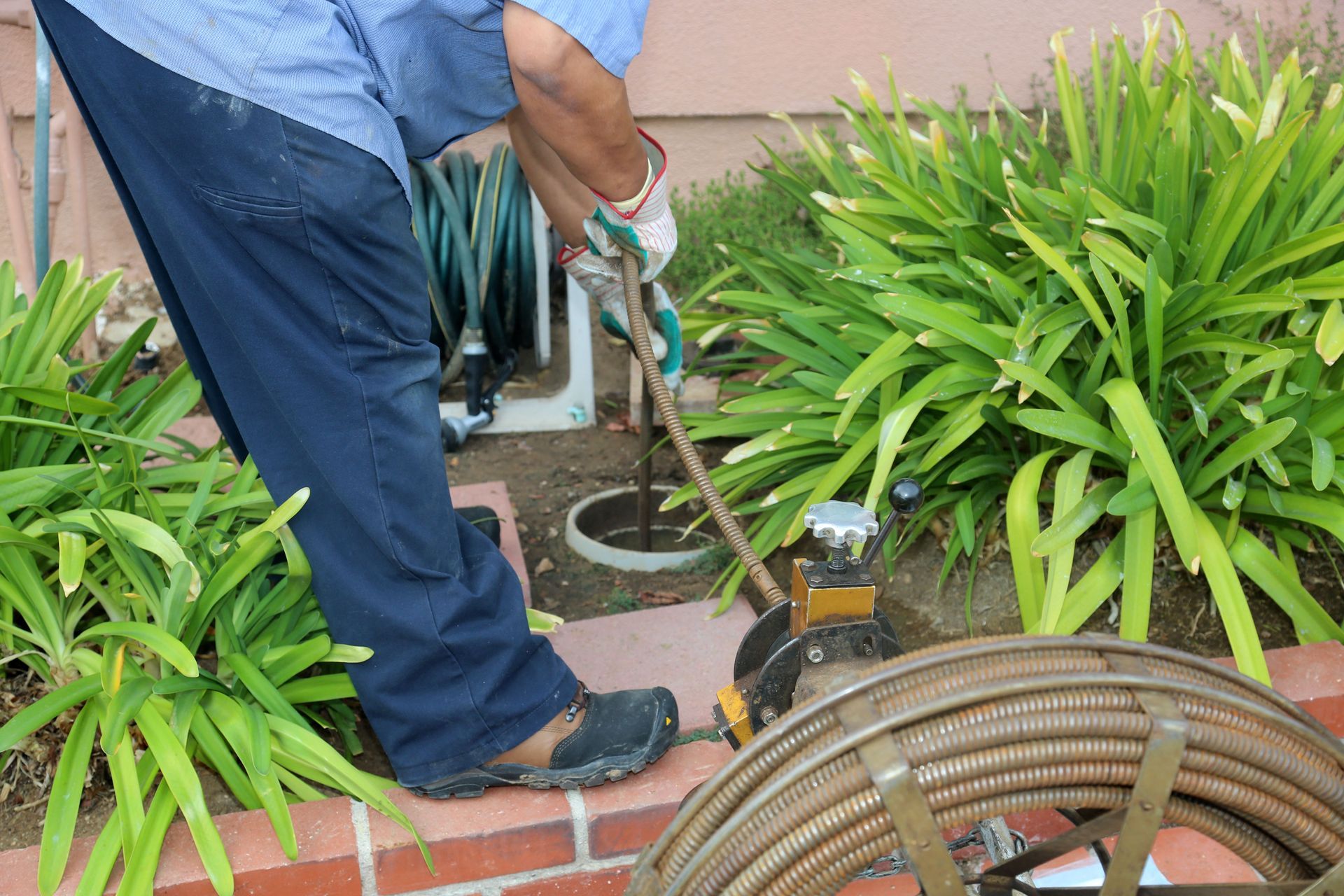
Aside from the internal plumbing issues, external factors like tree root intrusions can disrupt pipes, especially in older homes where pipes may not be made from durable modern materials. External invasions often lead to burst or fractured pipes, causing water to leak into the surrounding soil. When this happens, local plumbers often have to use "snake" cameras to see exactly where the roots have breached the line. Over time, saturated soils lead to foundation instability, potentially manifesting as cracks or shifts. Homeowners should routinely monitor for unusual changes in water pressure or unexplained increases in water bills, as these can indicate a leak within the system.
Recognizing Specific Home Foundation Vulnerabilities
Foundation vulnerabilities often stem from poor construction practices, environmental factors, and the failure to address plumbing issues proactively. A poorly constructed foundation may lack the reinforcement needed to stand up to external pressures from saturated soils caused by plumbing leaks. The absence of proper moisture barriers increases the risk of water infiltration, further aggravating soil erosion or settlement issues. Environmental factors such as heavy rainfall and unchecked natural overgrowth can lead to drainage problems exacerbating foundation vulnerability. Recognizing potential vulnerability factors is essential for implementing effective preventive measures.
Homes situated in areas prone to extreme weather changes are particularly susceptible to foundation problems. For instance, freeze-thaw cycles can cause soil shifts affecting the foundation, a problem that can be compounded by leaks in the plumbing system. Improperly installed or inefficient gutter systems can also contribute to excess ground moisture, undermining the foundation's stability. Additionally, the lack of adequate expansion joints in concrete foundations can lead to cracks as internal pressures increase due to soil movement. If you ever see a "stair-step" crack in your brickwork, that’s a sign that the ground is moving, and it might be time to have plumbers check for a slow-leak pipe nearby.
Assessing The Impact of Leaky Pipes
Water leakage, particularly from plumbing systems, can lead to significant soil erosion under and around a house’s foundation. Water seepage from defective pipes gradually loosens the soil granules, which are then carried away, weakening the soil’s load-bearing capacity. This erosion undermines the stability of the foundation, causing it to settle unevenly or crack under stress. As soil is displaced, voids may form below the foundation, amplifying the risks of structural damage. The longer the leakage persists, the more pronounced the effects of soil erosion, causing serious damage to the integrity of the home.
Even slow leaks can cause substantial erosion over time, particularly if they go undetected for extended periods. Homes with slab foundations are particularly vulnerable because the leaks often occur beneath the slab, making early detection difficult. When the water from leaky pipes permeates into the soil, it changes the moisture content, causing expansion and contraction cycles that further increase instability. To prevent this, experienced plumbers recommend checking your water meter before and after a two-hour period where no water is being used. Consequently, this can result in foundational shifts detrimental to the structural safety of the home.
Evaluating Signs of Pipe Leaks Beneath Foundations
Detecting pipe leaks beneath a foundation can be challenging due to their subtle signs, yet early detection is crucial to prevent serious damage. Common indications include sudden or persistently elevated water bills without an obvious external cause. Additionally, homeowners may notice damp spots along the walls or uneven flooring as water seeps upwards from below. Foundation cracks, though typically minute initially, can widen over time as structural stability decreases. If unaddressed, these issues can progress to significant foundational shifts requiring costly repairs.
Additional signs of an underlying plumbing issue include the sounds of running water or peculiar odors such as mildew emanating from beneath the floors. These sensations are typically more pronounced during times of high water usage, providing clues about potential leak locations. Visual indicators like excessive moisture around the perimeter of a home or the consistent presence of waterlogged soil are strong hints of an underlying leak. In these scenarios, calling in licensed plumbers to perform a pressure test can save you thousands in foundation repair down the road. Staying informed and piloting preventive strategies ultimately enhances the longevity of both home and foundation. For expert help protecting your home, reach out to ASAP Plumbing.